Installing a crawl space vapor barrier is an essential step in maintaining a healthy and energy-efficient home environment. Before undertaking this project, it is crucial to consider several important factors to ensure the vapor barrier performs effectively and provides long-term benefits. Understanding these elements can save homeowners from costly repairs and improve indoor air quality significantly.
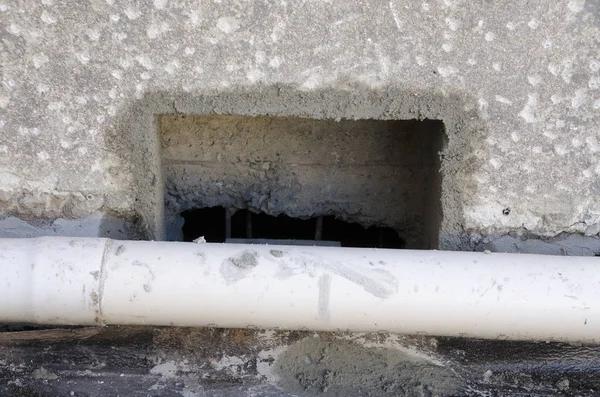
One of the primary factors to consider is the condition of the crawl space itself. Before installation, inspect the area for any existing moisture problems, such as standing water, leaks, or excessive dampness. Addressing these issues is vital because a vapor barrier is designed to prevent moisture intrusion, not to manage existing water problems. Repair any plumbing leaks, improve drainage around the foundation, and ensure proper grading to direct water away from the house. Without these preparatory steps, the vapor barrier may fail or contribute to mold growth and structural damage.
crawl space vapor barriers in Wilmington
Material selection is another key consideration. Vapor barriers are typically made from polyethylene plastic sheets, but thickness and quality vary widely. Thicker materials, such as 10 to 20 mil polyethylene, offer better durability and puncture resistance. Selecting a high-quality vapor barrier ensures it can withstand the conditions in the crawl space and last for many years without tearing or degrading. Additionally, consider barriers with added features like antimicrobial treatments to inhibit mold growth.
Proper installation techniques play a critical role in the effectiveness of a vapor barrier. The barrier should cover the entire ground surface of the crawl space and extend up the walls at least 6 to 12 inches. Sealing all seams and mold remediation for crawl space moisture problems edges with appropriate tape or adhesives is necessary to create a continuous moisture barrier. Failure to seal the edges properly can allow moisture to infiltrate, undermining the barrier’s purpose. If necessary, secure the barrier with fasteners or stakes to prevent shifting over time.
Ventilation and insulation also influence the decision to install a vapor barrier. Some crawl spaces are vented to the outside, which can introduce humid air that increases moisture levels. In such cases, sealing vents or converting the crawl space to a conditioned space may be necessary alongside the vapor barrier installation. Additionally, insulating the crawl space walls instead of the floor can help maintain consistent temperatures and reduce condensation risks.
Finally, consider local building codes and manufacturer recommendations before installing a crawl space vapor barrier. Compliance with regulations ensures the installation meets safety and performance standards. Consulting with a professional or contractor experienced in crawl space encapsulation can provide valuable guidance tailored to specific home conditions.
In summary, evaluating the crawl space condition, choosing quality materials, using proper installation methods, addressing ventilation and insulation, and following local codes are critical factors to consider before installing a crawl space vapor barrier. Taking these steps helps protect your home from moisture-related problems and enhances overall comfort and energy efficiency.
Impact Crawlspace
Pink Hill, NC, 28572
2525607776