Inspecting roofing in Hanover requires a careful and methodical approach to ensure the longevity and safety of your home. The first step is to conduct a visual examination from the ground. Use binoculars if necessary to observe the overall condition of the roof, paying close attention to any missing, cracked, or curling shingles. In Hanover’s climate, roofs endure varying weather conditions including snow, rain, and sun exposure that can accelerate wear and tear. Look for signs of moss or algae growth as these can retain moisture and cause damage over time.
Next, it’s important to assess the gutters and downspouts connected to your roof. Clear debris such as leaves or twigs that may have accumulated since clogged gutters can lead to water overflow which damages both roofing materials and your home’s foundation. Check for rust spots or sagging sections indicating potential drainage issues that require immediate attention.
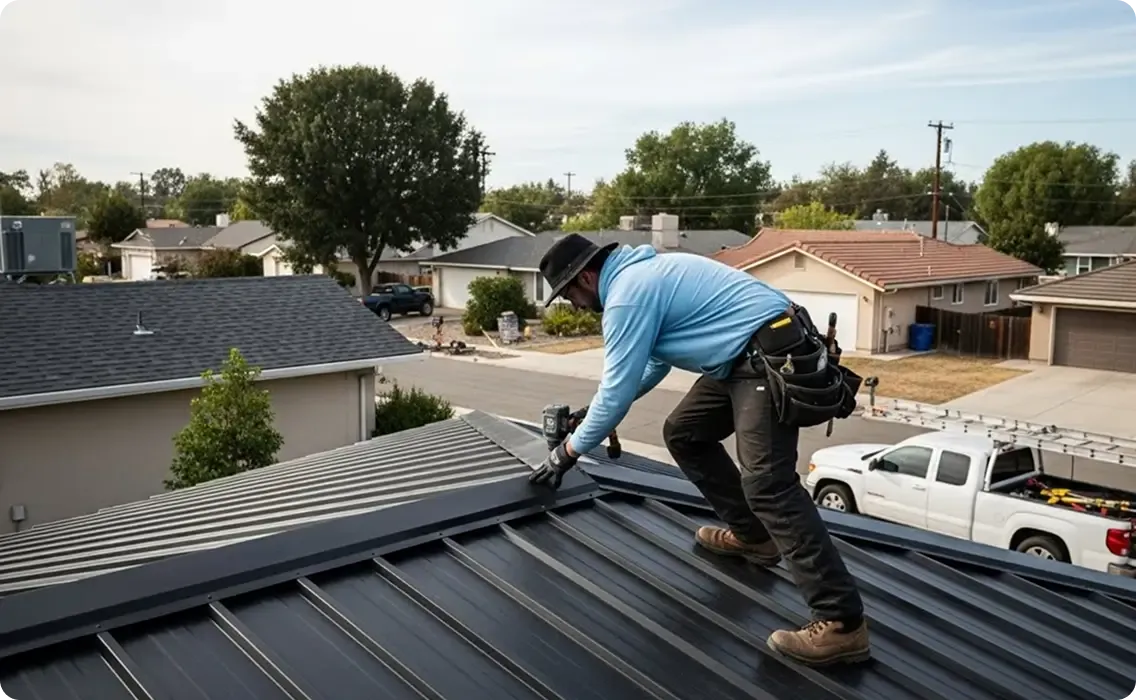
After ground-level inspection, safely access the roof using a sturdy ladder placed on stable ground following all safety precautions. Walk carefully across the surface while wearing soft-soled shoes designed for traction without damaging shingles. Examine flashing around chimneys, vents, skylights, and other protrusions where leaks often begin due to loosened seals or corrosion.
Pay close attention to learn more areas with dark streaks or stains; these usually indicate moisture problems beneath the surface which might mean damaged underlayment needing repair before further deterioration occurs. Inspect valleys where two roof slopes meet because they are prone to water pooling causing accelerated damage if not properly sealed.
It is also essential to check attic spaces beneath your roof for signs of leaks such as water stains on rafters or insulation material dampness during rainy seasons common in Hanover. Proper ventilation within attics helps prevent ice dams in winter by maintaining consistent temperatures between indoor air and rooftop surfaces.
If you notice significant damage beyond minor repairs like several missing shingles or warped areas compromising structural integrity consider consulting professional roofing contractors familiar with Hanover’s specific environmental challenges. They can provide thorough assessments using specialized tools including infrared cameras that detect hidden moisture pockets within roofing layers invisible during casual inspections.
Regular inspections every six months combined with after-storm evaluations help maintain your roof’s health ensuring protection against harsh weather conditions typical in this region while extending its lifespan effectively without costly replacements prematurely.
By adopting these practical steps when inspecting roofing in Hanover you will be equipped with knowledge similar to experienced professionals enabling timely interventions that safeguard your property investment efficiently throughout changing seasons year after year.