
Efficient cooling and heating solutions are vital for maintaining comfort in homes and workplaces throughout the year. As weather conditions fluctuate, having a reliable system that can adapt to different temperatures ensures not only comfort but also energy savings. Modern heating and air conditioning technologies have evolved significantly, offering options that cater to various needs while minimizing environmental impact.
One of the primary considerations when selecting heating and cooling systems is energy efficiency. Systems with high Seasonal Energy Efficiency Ratio (SEER) ratings for air conditioners or Annual Fuel Utilization Efficiency (AFUE) ratings for furnaces help reduce utility bills by consuming less power or fuel. Investing in equipment with advanced features such as variable-speed motors allows units to operate at different capacities depending on demand, which optimizes performance and reduces unnecessary energy use. Additionally, programmable thermostats enhance control over indoor climate by enabling users to set temperature schedules aligned with their daily routines.
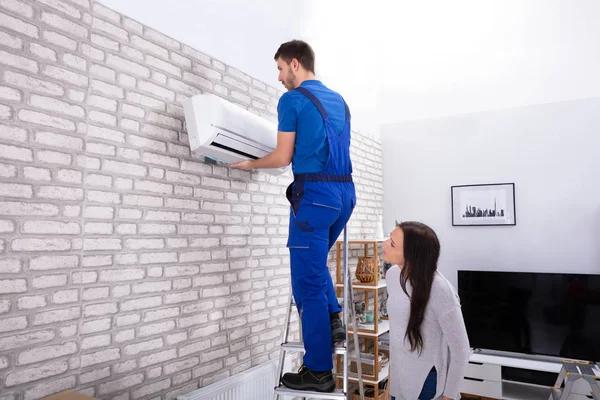
Proper installation plays a crucial role in maximizing the effectiveness of any HVAC system. Even the most efficient unit will underperform if installed incorrectly or paired with incompatible ductwork. Professional technicians assess factors like home size, insulation quality, window placement, and airflow patterns before recommending suitable models. They ensure precise calibration during setup so that systems maintain consistent temperatures without overworking components.
Regular maintenance is another key aspect of sustaining optimal operation over time. Routine inspections include cleaning filters, checking refrigerant levels, inspecting electrical connections, and verifying thermostat accuracy. Neglecting these tasks can lead to decreased efficiency, higher operating costs, and premature equipment failure. Scheduling seasonal tune-ups helps identify potential issues early while extending the lifespan of heating and cooling units.
In addition to traditional central HVAC systems, alternative solutions such as heat pumps provide both heating and cooling capabilities within one device by transferring heat between indoors and outdoors efficiently. These units perform exceptionally well in moderate climates where extreme cold is infrequent but still require proper sizing based on specific environmental conditions.
Indoor air quality should not be overlooked when considering Essential Heating and Air solutions because pollutants trapped inside can affect health negatively despite comfortable temperatures. Incorporating features like air purifiers or humidity controllers alongside standard systems contributes significantly toward creating healthier living spaces.
Ultimately, combining modern technology with expert installation practices ensures that homes remain comfortable year-round while conserving energy resources responsibly. Selecting appropriate equipment tailored to individual requirements along with ongoing care guarantees effective climate management without compromising reliability or cost-effectiveness in the long run.