
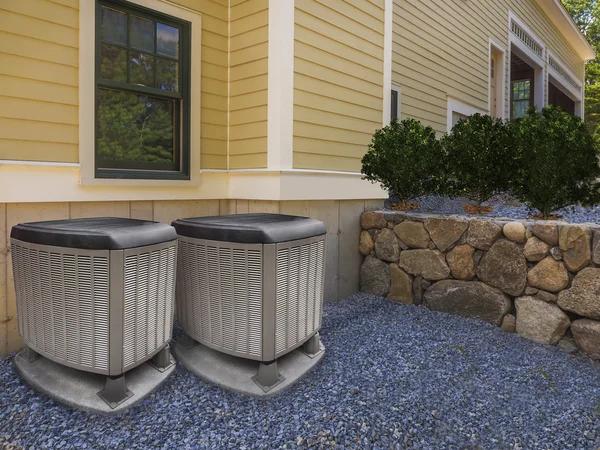
Maintaining a comfortable indoor environment throughout the year requires reliable heating and cooling systems. Every home needs essential components that work efficiently to regulate temperature, ensuring comfort regardless of external weather conditions. Central heating and air conditioning units are among the most common solutions designed to provide consistent warmth during cold months and effective cooling when temperatures rise. These systems operate through a network of ducts or individual units, distributing conditioned air evenly across living spaces.
Proper insulation is another critical element in managing indoor climate effectively. Insulation reduces heat transfer between the inside and outside of a home, helping retain warmth in winter and keep interiors cool during summer. Well-insulated walls, attics, floors, and windows contribute significantly to energy efficiency by minimizing the workload on Scottsdale Heating and Cooling equipment. This not only enhances comfort but also lowers utility bills by reducing energy consumption.
Thermostats play a vital role in controlling temperature settings with precision. Modern programmable or smart thermostats allow homeowners to customize schedules based on daily routines, optimizing system operation for both comfort and efficiency. By adjusting temperatures automatically when rooms are unoccupied or during nighttime hours, these devices help save energy without sacrificing convenience.
Ventilation is equally important in maintaining healthy indoor air quality while supporting heating and cooling functions. Proper airflow prevents moisture buildup which can lead to mold growth or structural damage over time. Mechanical ventilation systems such as exhaust fans or whole-house ventilators exchange stale indoor air with fresh outdoor air, balancing humidity levels and removing pollutants.
Regular maintenance of all heating and cooling equipment ensures longevity and optimal performance. Routine inspections include checking filters for cleanliness since clogged filters reduce airflow causing strain on systems; cleaning coils; inspecting ductwork for leaks; verifying refrigerant levels; lubricating moving parts; testing safety controls; calibrating thermostats; and clearing drainage lines from condensate buildup. Scheduling professional servicing at least once annually helps detect potential issues early before they escalate into costly repairs or system failures.
Energy-efficient appliances certified by recognized standards offer additional benefits by consuming less power while delivering effective climate control solutions tailored to specific household needs. Selecting appropriate-sized units prevents overworking equipment which can shorten lifespan or increase operational costs due to inefficiency.
In summary, every home requires an integrated approach combining reliable heating and cooling machinery with proper insulation, precise temperature regulation through thermostats, adequate ventilation for fresh air circulation, regular upkeep practices ensuring system reliability along with choosing energy-conscious devices designed for optimal performance-all contributing toward year-round comfort indoors while promoting sustainability through reduced environmental impact.